The Flood Came First
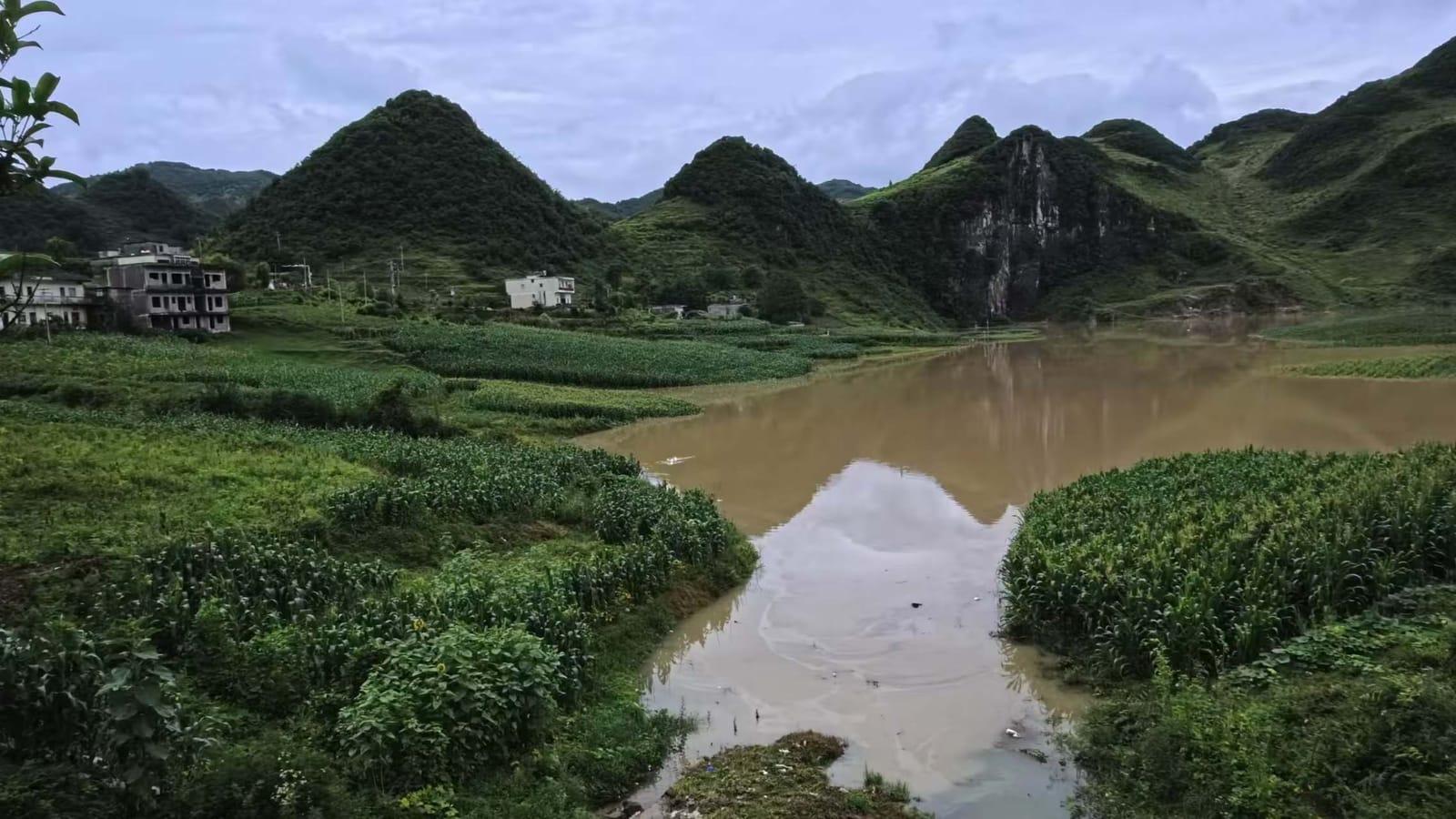
The flood came suddenly that summer.
In a mountain valley in Yunnan, water rose without warning. Homes below the dam were submerged. Families moved into school dormitories. When the new school year began, Tian Xinyu collected his students’ summer photography assignments — and almost every camera pointed to the same scene: water, collapsed mud walls, and evacuated families.
That was when he realized something important.
The children were already documenting the world around them. They only needed someone to help them ask why the world was changing like this.
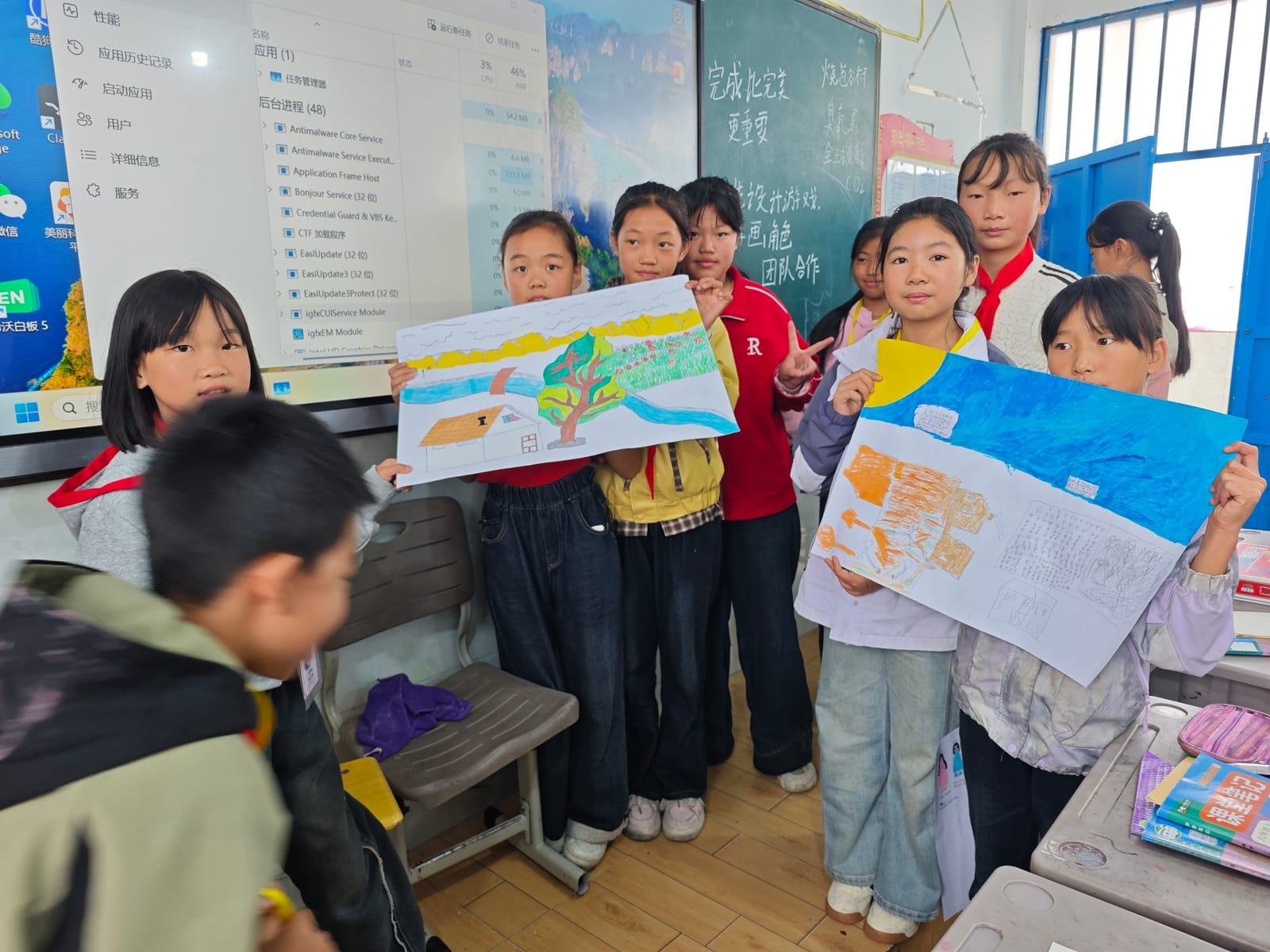
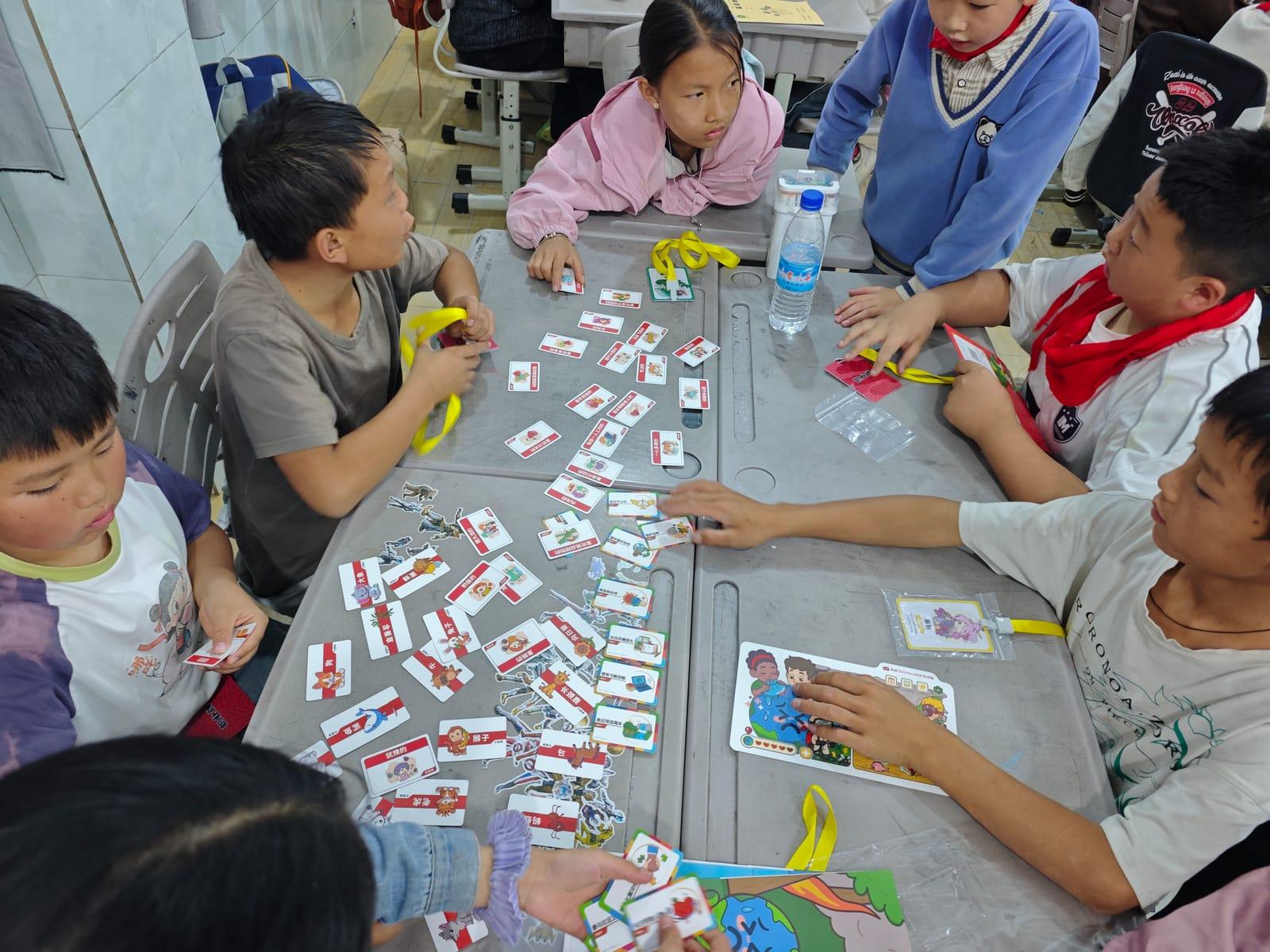
Tian Xinyu is a volunteer teacher at Guanba Primary School in Zhaotong, Yunnan, a mountain community more than 2,000 meters above sea level. He teaches mathematics and science, but his classroom has become much more than that. In 2025, he brought SDG Hero into his school and guided children through game co-creation workshops on sustainable development and climate change.
After the flood, he wanted his students to understand one thing:
“This flood is not only our village’s problem. It is connected to changes happening across the planet.”
A Teacher Who Knows What It Means to Be Overlooked
To understand why Tian brought SDG Hero to the mountains, you have to understand his own story.
He grew up in rural northern Anhui as a left-behind child. His primary school class had more than one hundred students and only two teachers. Every semester, some classmates quietly disappeared — some left for work, others stayed home to farm.
Later, when he moved to a better school in Hefei, he saw another world. Many of his new classmates had been taking tutoring classes since kindergarten. By the time Tian finished primary school, he had only learned the English alphabet song.
That gap stayed with him.
He came to believe that the distance between children is often not about talent. It is about where they are born, what resources they can reach, and whether someone sees their potential.
After studying mathematics and working in science outreach, Tian chose to become a volunteer teacher. His reason was simple:
“I want to help children like I was as a kid.”
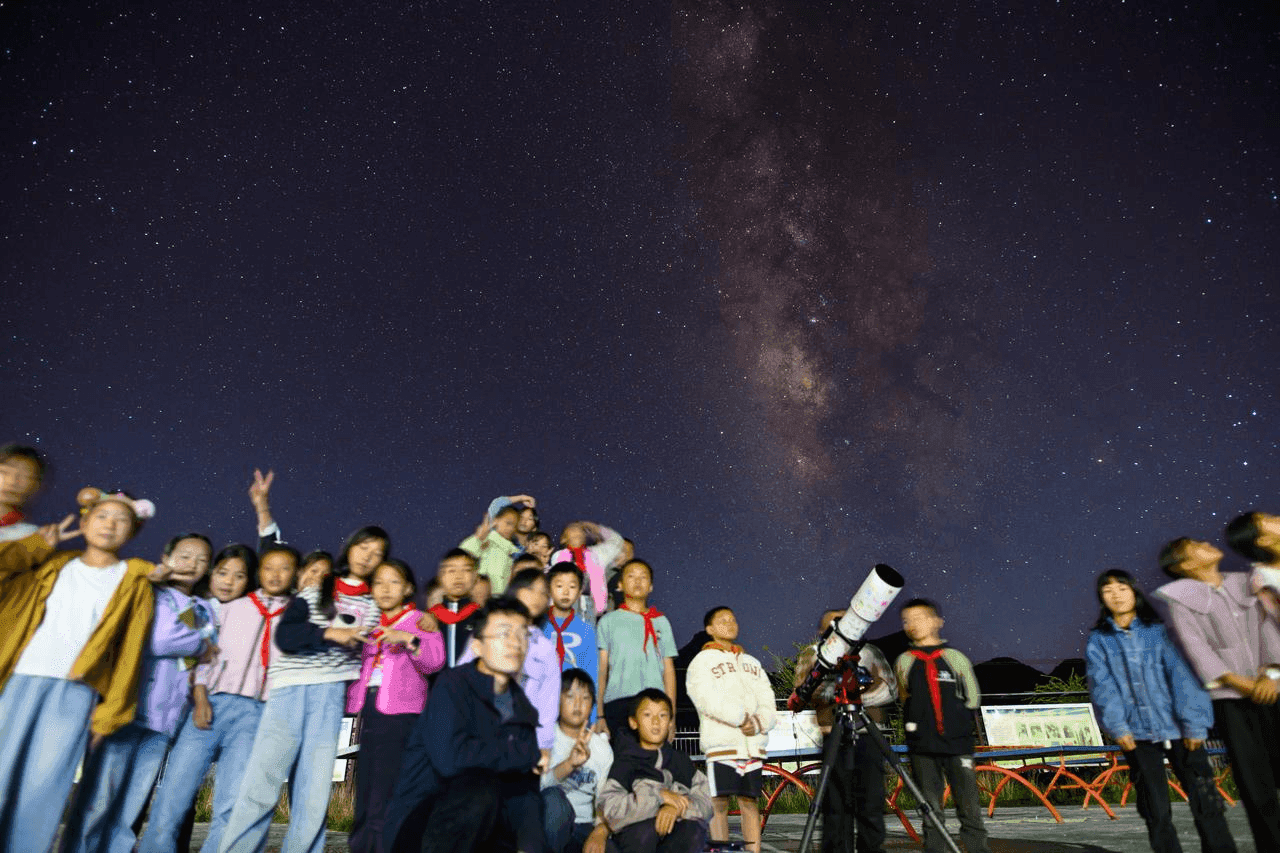
At Guanba Primary School, he started a photography class called Bring Her Eyes, inviting children to take pictures of their own lives: potatoes drying in the yard, rainbows after storms, water marks left by floods, shadows on the playground.
For Tian, photography gave rural children the power to show the world through their own eyes.
SDG Hero gave them another tool: the power to design, question, and create through play.
Why Games Worked
Tian first noticed SDG Hero through a volunteer teacher group. One sentence immediately caught him:
“The power of games for a sustainable future.”
He had always loved board games. But in the mountains, he saw something even more powerful: children who had almost no electronic devices were already natural game designers. During breaks, they played with sandbags, ropes, stones, and improvised rules. They changed games, negotiated fairness, and invented new ways to play.
That made Tian think:
If children can redesign games, they can also redesign how they understand the world.
With SDG Hero, climate change, sustainability, and equity no longer felt like distant textbook ideas. They became questions children could touch:
Who should be saved first when a flood comes? Which places are most dangerous? What does a fair rule look like? How are our village and the wider world connected?
In one workshop, Tian asked the class:
“Is this only our village’s problem?”
The discussion began with the flood outside their homes. Then it moved toward extreme weather, carbon emissions, pollution, and global warming.
One child later wrote:
“Protecting the environment is protecting ourselves.”
For Tian, that moment mattered. As a child, he had also lived through floods, but no one had ever explained why they happened. Now, his students were beginning to connect their own experience to the climate challenges facing the whole planet.
Something had shifted.
Returning Voice to Children
In the workshop, Tian also noticed quieter changes.
One student who often saw himself as “not good at school” began showing another kind of ability. In photography and game design, he could observe, coordinate, explain rules, and check whether a game felt fair.
Tian realized that photography and game design were doing something similar.
They were returning voices to children.
Many stories about rural children are told by adults. The photos are often familiar: old classrooms, worn uniforms, hopeful eyes. Those images are not false, but they are incomplete.
When children hold the camera themselves, they show something different. They show what they notice, what they care about, and how they want to be seen.
SDG Hero works in a similar way.
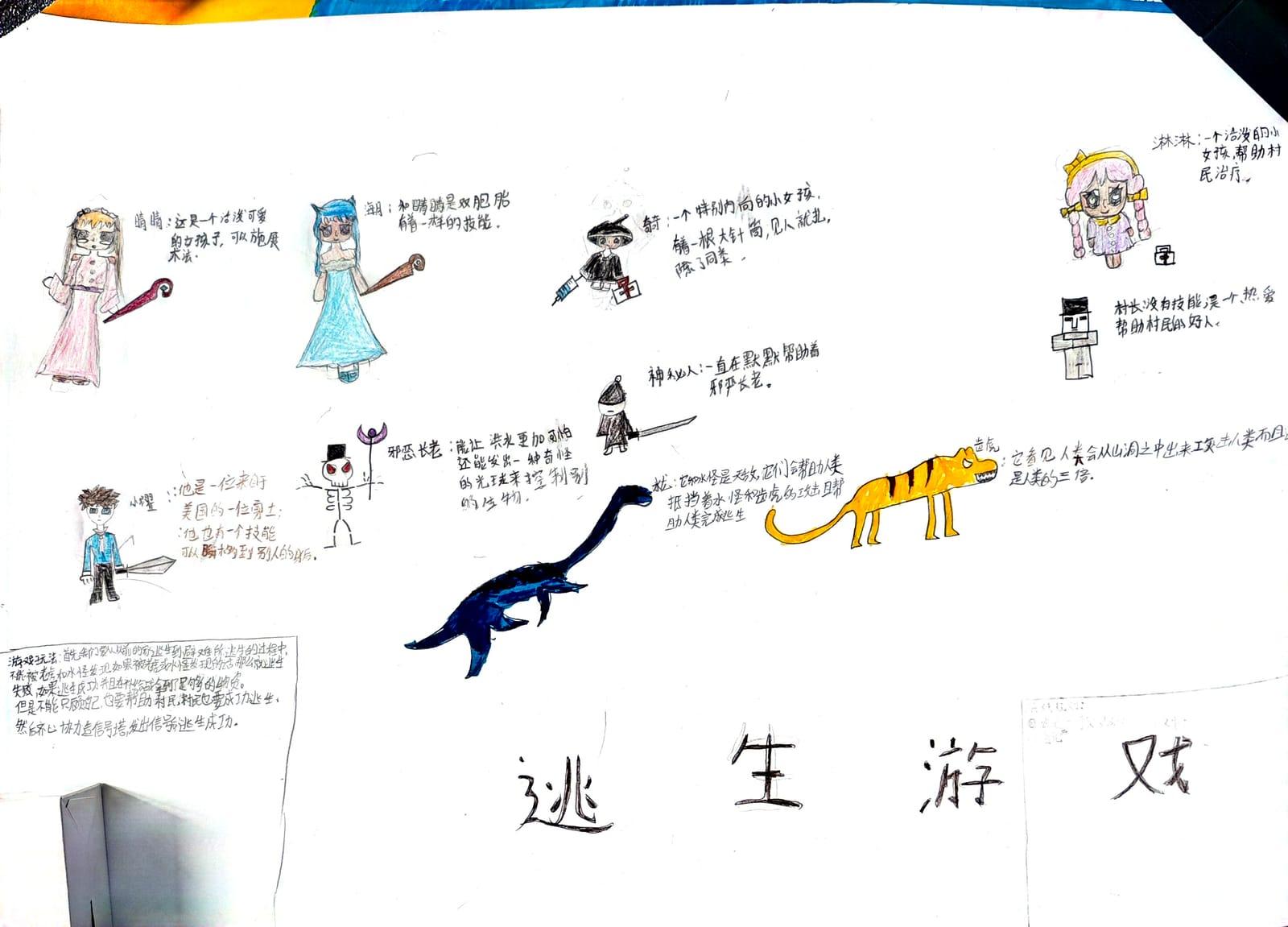
Most games are designed by adults for children. But in SDG Hero, children begin with their own lives. They build rules, imagine worlds, create conflicts, and decide what change should look like.
Through game design, they are really asking:
What do I think is fair? What worries me? What kind of future do I want?
When a child realizes their ideas can be heard, their sense of self begins to change.
The Arrow You Cannot Escape
Tian’s social media signature comes from a line by Lu Xun:
“An arrow of fate you cannot escape.”
For Tian, that arrow means a calling you cannot avoid. You know what is right to do. If you do not do it, your heart cannot settle.
His arrow points toward educational equity — toward children like his younger self, who are easily overlooked.
He does not describe his work as “saving” anyone.
“It feels more like accompanying my own childhood self.”
Becoming a Game Master helped him see his path more clearly. It was not only about teaching. It was about using something he loves — games — to build bridges for children:
between their village and the outside world, between personal experience and global issues, between his own childhood and theirs.
He also believes that SDG Hero connects teachers, not only students. For educators working in remote places, connection matters. Without it, idealism can be worn down by reality.
“You have to keep connecting,” Tian said. “Connect to the outside world, and reconnect to who you were.”
A Classroom Connected to the World
Tian hopes SDG Hero will not remain a one-time activity in village schools. He hopes more teachers can use games to teach sustainability, and more children can design around the questions closest to their lives: climate change, campus safety, waste sorting, left-behind childhood, emotions, and companionship.
What rural children lack is not always a single piece of knowledge.
Often, it is opportunity — to be heard, to be taken seriously, and to be treated as creators.
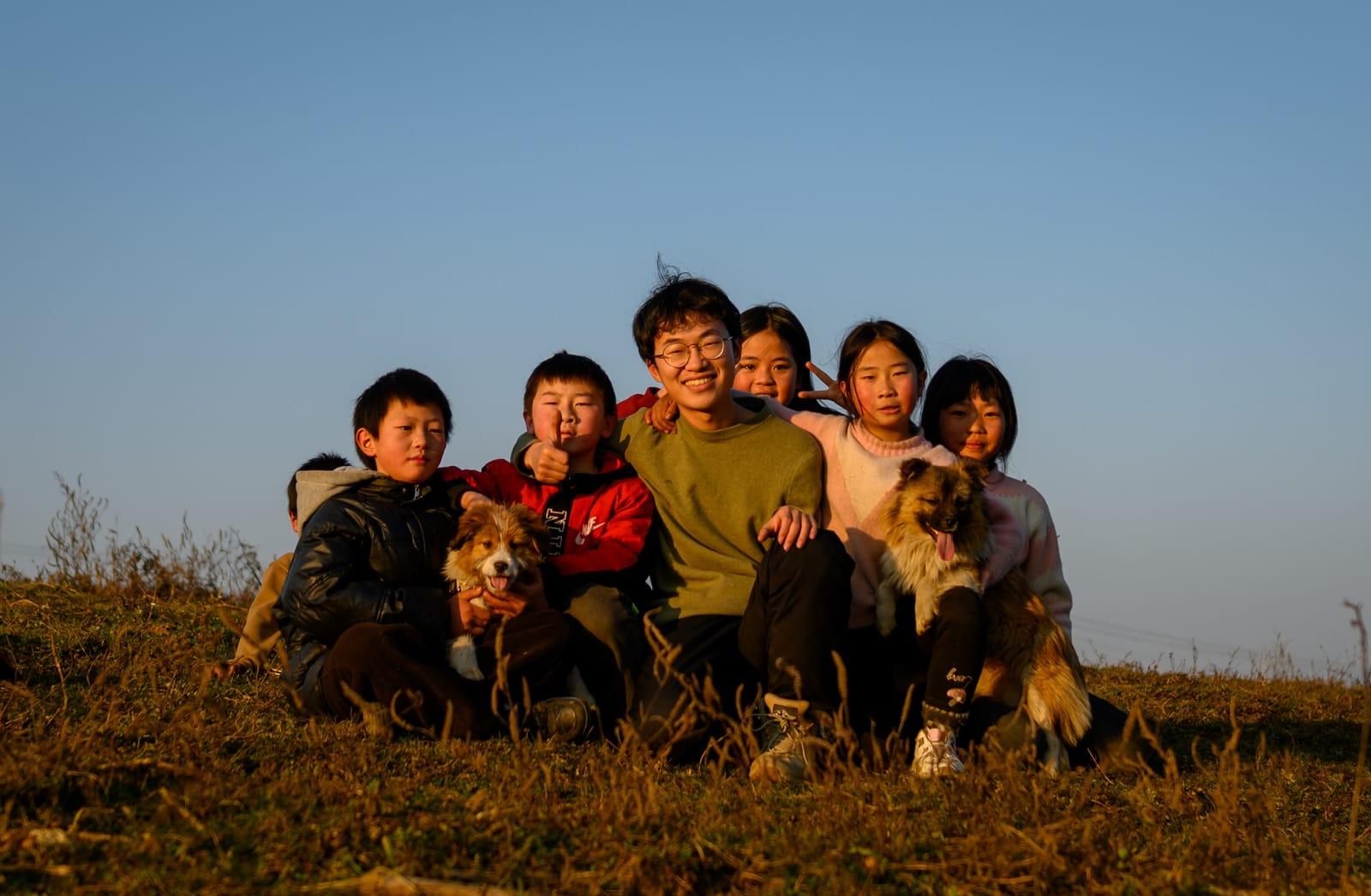
In the cold mountain winter of northeast Yunnan, a camera, a box of games, cardboard sheets, cards, and small gems are helping a group of 12-year-olds string a line between their classroom and the world.
They are beginning to understand that floods are not random accidents.
They are learning that rules can be made together.
They are realizing they can ask questions, express themselves, and create.
They are starting to feel that they can speak with the world as equals.
And in a mountain valley where winter snow has already arrived, that is already something important enough.