The Boys Raised Their Hands
When asked what they would do if they saw violence at home again, they did not look away. They did not lower their heads.
They answered with a quiet firmness:
“Next time, I will have the courage to stop it. If I cannot stop it, I will seek help.”
The classroom was in Kiambu County, northeast of Nairobi, Kenya. The children came from coffee-farming families. Many carried responsibilities and experiences far heavier than their age.
For Game Master Gao Yifan, that moment stayed with her.
Change, she realized, does not always arrive loudly.
Sometimes it begins in the determination of a child’s voice.
Bringing a Game, Not a Lecture
Gao Yifan came from China and joined SDG Hero as a Game Master. Together with her team, she visited a rural primary school in Kenya.
They did not arrive with a grand speech.
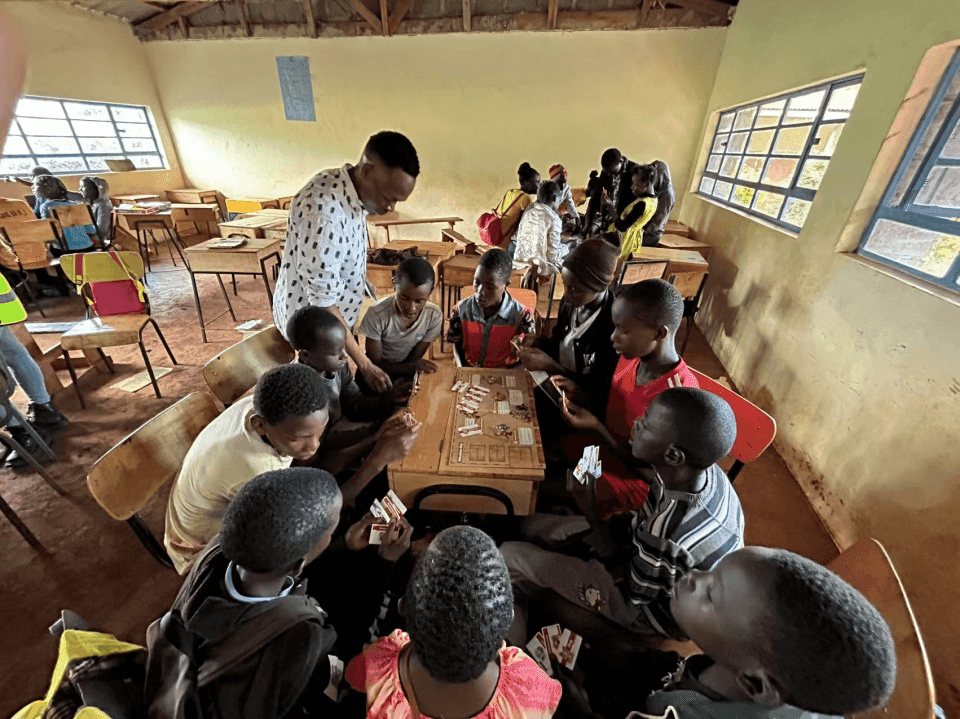
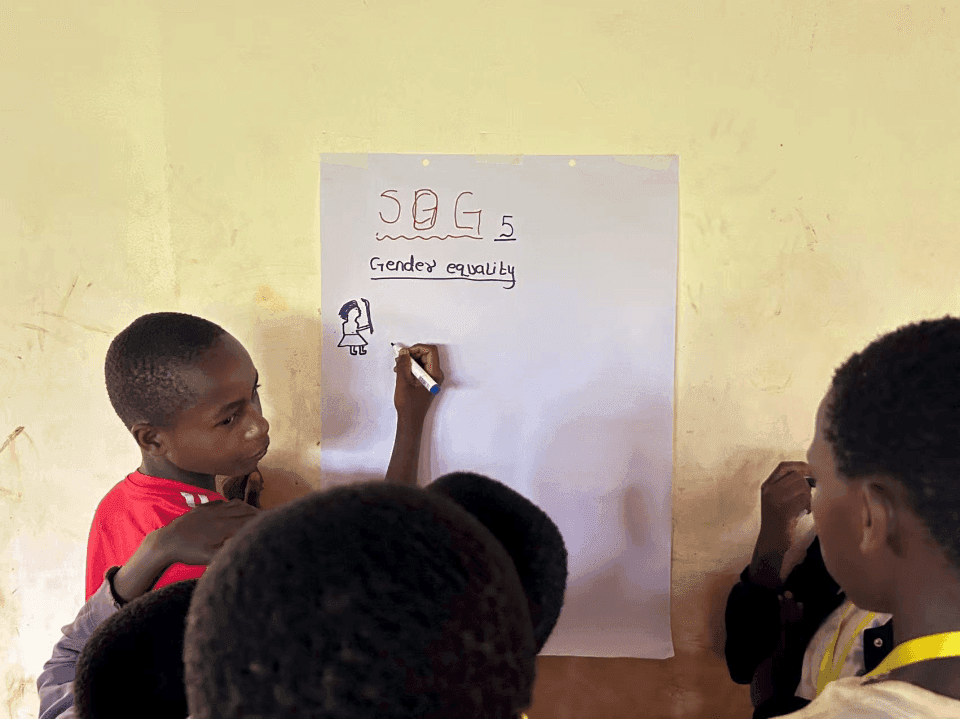
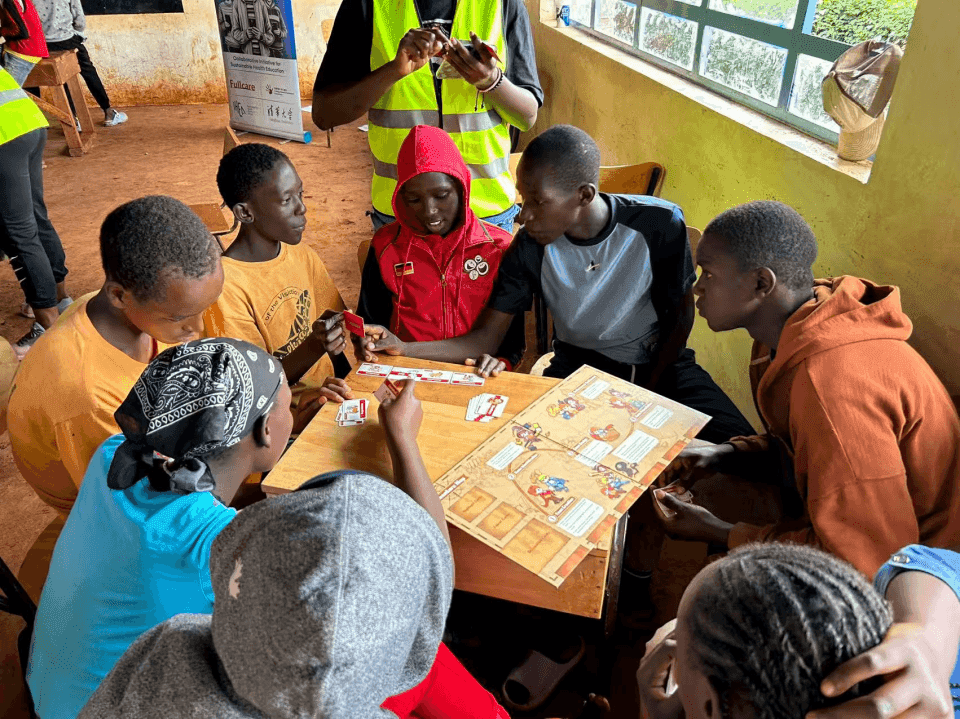
They brought a game — a story and workshop built around SDG 5: Gender Equality.
The children’s lives were shaped by difficult realities. Many families depended on coffee farming. School was not only a place to learn; for some children, it also meant access to a meal, safety, and a moment of structure.
But the challenges went deeper than poverty.
Gender expectations were everywhere. Some children had grown up seeing household labor as “women’s work.” Some believed certain jobs were only for men. Some had never been invited to question whether these roles were fair.
Gao and her team knew that a lecture would not be enough.
A game could open the conversation differently.
The Silence Around Gender
In many communities, some of the hardest issues are the least spoken about.
Girls may face barriers around health, safety, and dignity. Boys may grow up believing that strength means control. Children may witness inequality at home before they ever learn the word “gender.”
If these experiences are treated only as abstract problems, children can easily shut down.
So the SDG Hero workshop did not begin with blame. It began with play, roles, choices, and stories.
Inside the game, children could explore questions that were difficult to speak about directly:
Who does the housework? Who gets to make decisions? Who is allowed to dream about certain jobs? What should we do when someone is harmed?
The game created a safe distance.
From that distance, children could look again at familiar situations — and begin to see them differently.
When Games Open a Crack
In the SDG Hero workshop, there was no savior’s posture and no condescending lecture.
There were scenarios, discussions, role choices, and game rules. Children were invited to imagine, decide, and respond.
When the topic turned to violence at home, Gao asked:
“If you see this happen next time, what will you do?”
Two groups of boys who had witnessed such situations spoke up.
They said they would try to stop it. If they could not, they would seek help.
This was not a complete solution to a complex reality. But it was a crack in silence.
And sometimes, that crack is where change begins.
Through game scenarios, other beliefs also began to shift.
Could boys wash dishes, cook, and care for family?
Could girls imagine themselves driving?
Could household work be shared?
Could courage mean asking for help?
In the game, these ideas became possible. Then they became reasonable. Then they became something children could say out loud.
A Boy’s Promise
One of the most moving moments came from Kibu, a 15-year-old ninth-grader.
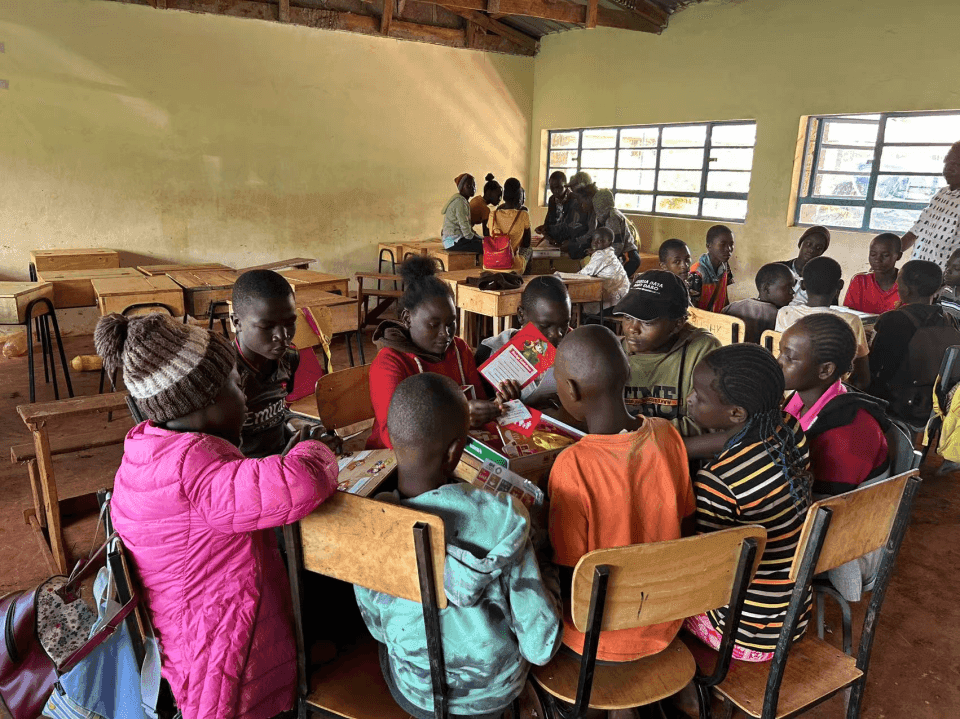
During the workshop, he and other students discussed household responsibilities. They talked about why women are often expected to do most of the chores, and what that means for both girls and boys.
After the workshop, Kibu approached Gao.
He said:
“When I go home, I want to help my mom and sister with the household chores.”
It was a simple sentence.
But in his context, it carried weight.
It was a small decision to act differently. A small refusal to accept that care work belongs only to women. A small promise that equality can begin at home.
Gao did not turn the moment into a speech.
She listened.
She knew a seed had been planted.
The Future They Imagined
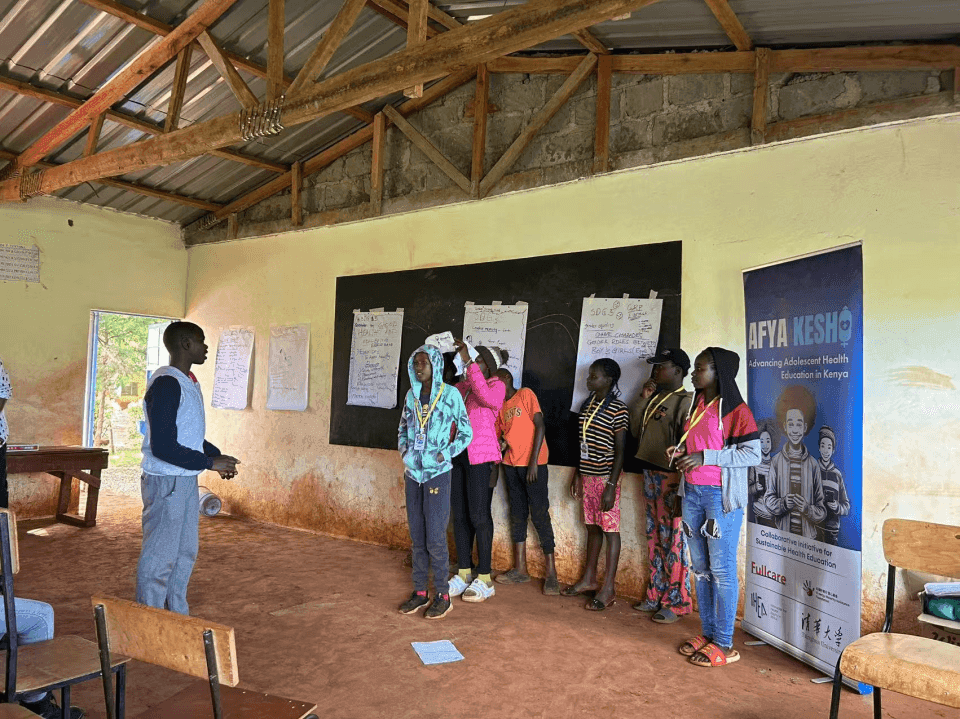
In another part of the workshop, students designed short performances about what they imagined a better school-based sex education program could look like.
They stood in front of the class. They acted, explained, hesitated, laughed, corrected themselves, and continued.
The performances were not perfect.
But perfection was not the point.
Each line came from a child trying to say: we want knowledge, we want dignity, and we want to understand our own lives better.
When the workshop ended, the questions did not end.
Some students asked:
“Can activities like this come again?”
For Gao, that question mattered. It showed that children were not only receiving information. They were asking for more spaces to think, speak, and imagine.
The Story Is Just Beginning
In the coffee-farming villages of Kenya, one game workshop ended.
But the real story did not end there.
It continued in a boy’s promise to help at home.
It continued in the courage to seek help.
It continued in children asking for more chances to learn.
It continued in the quiet belief that a different future can be designed.
Gao Yifan knows that change is not always dramatic.
Sometimes it looks like a child raising his hand.
Sometimes it sounds like one sentence spoken with courage.
Sometimes it begins as a seed.
And if it is cared for, that seed can grow.