🏷️ Quick Facts:
- Location: Bangkok, Thailand (2025)
- Facilitators: 1 Game Master
- Participants: 30-50 Students
- Duration: 15-20 Minutes
💡 The Challenge: How to warm up the crowd while unknowingly teaching the basic concepts of all 17 SDGs, thereby lowering the cognitive threshold for subsequent lessons?
🎯 Objectives:
- Quickly introduce SDG topics while reducing cognitive load.
- Help students establish direct connections between their lives and global goals.
- Complete grouping while building classroom atmosphere and enhancing student engagement.
- Demonstrate that icebreakers can educate while warming up, not just warm up.
⚙️ Core Mechanics Used:
- Bingo Card Design: Utilizing a grid where each square contains an SDG icon and a one-line scenario description instead of numbers.
- Finding People & Pairing: Children walk around with their cards to find people who have experienced these SDG issues and get their signatures.
- Implicit Learning: While finding people, children naturally listen to others' stories and think about what each SDG really means.
- Visual Memory Anchoring: The 17 SDG icons on the Bingo card become visual anchors for later lessons because the students have already "seen" them.
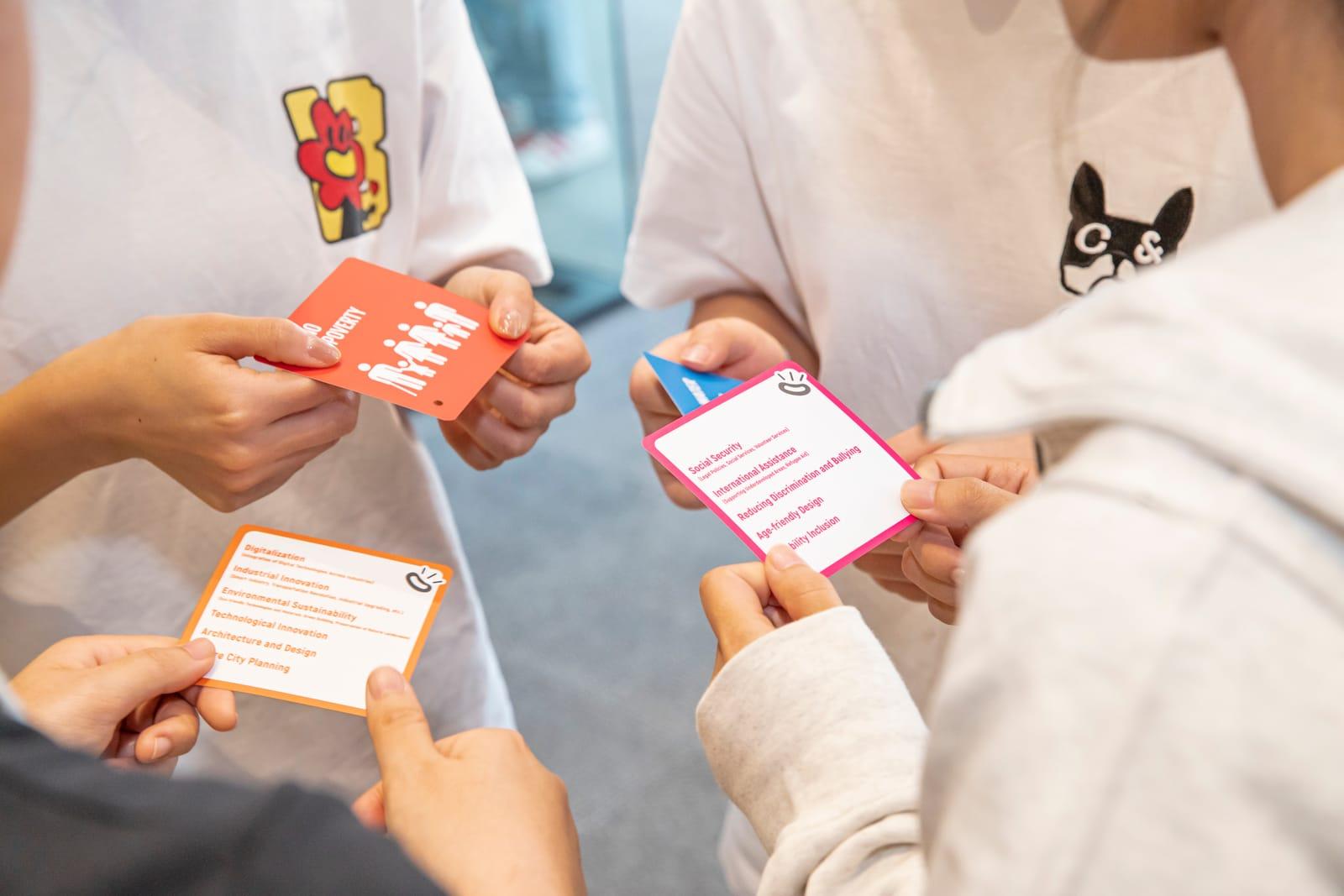
🚀 The Application: The Game Master begins by distributing the SDG Bingo cards and explaining the rules, prompting students to find at least 5 different people whose experiences match the SDG scenarios. During the finding and conversation step, students walk around to collect signatures and share why their stories connect to specific SDGs. Finally, the GM collects the cards, randomly invites students to share the most interesting stories they found, and uses this as a transition to explain that they have just met the 17 most important global challenges.
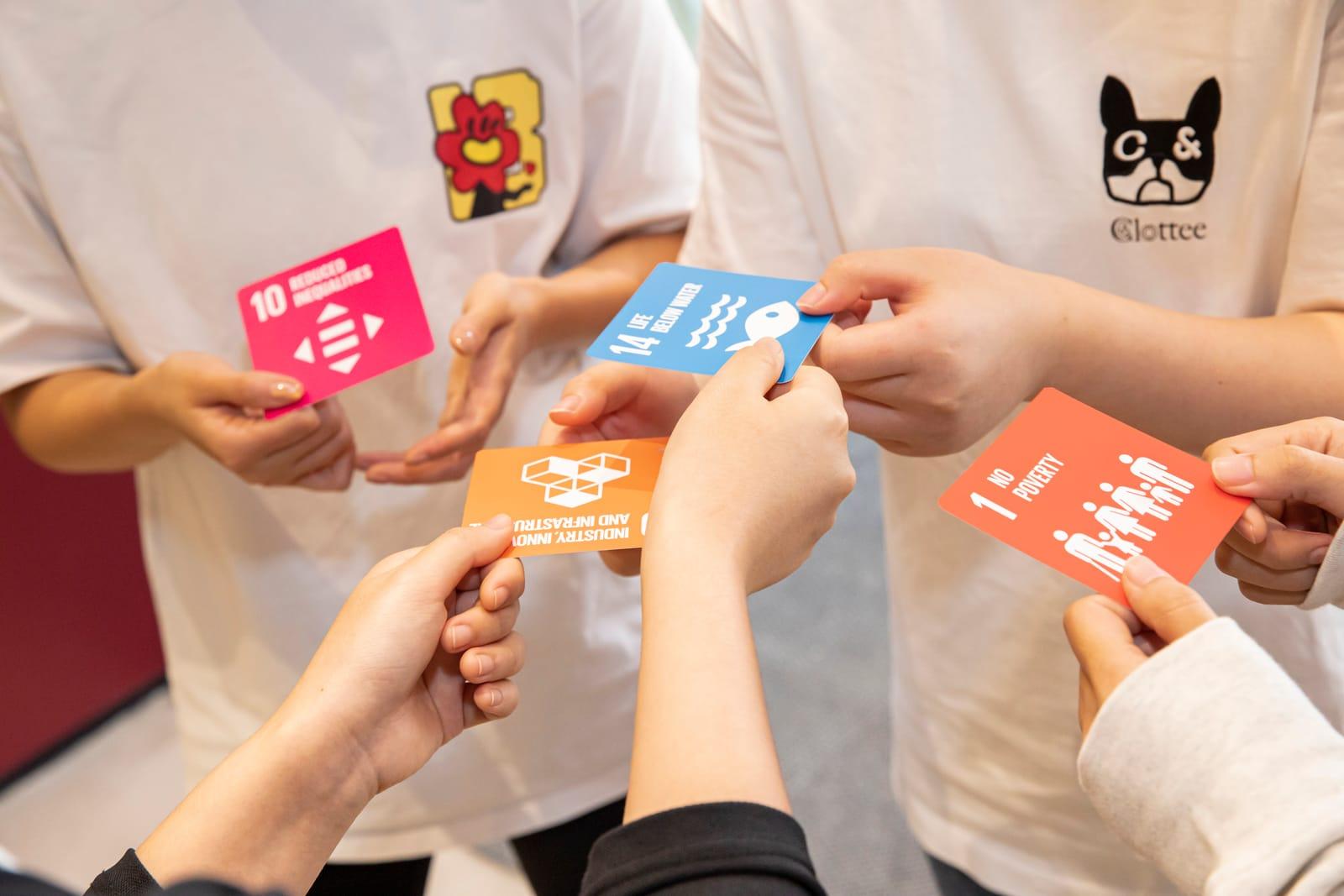
✨ Key Innovation: This method offers a zero-cognitive-cost topic introduction because it focuses on finding the 17 SDGs in real stories rather than explaining them outright. It proves that an icebreaker can function as education by combining icons, text, and real stories to create triple memory anchors. Additionally, it is highly replicable in just 5-10 minutes and requires no professional skills.