🏷️ Quick Facts:
- Location: Zimbabwe (2025)
- Facilitators: 2-3 GMs (ideally with music or theater background)
- Participants: ~30 Students (divided into 5-6 teams)
- Duration: 3 Days
💡 The Challenge: Traditional game co-creation workshops usually end with play-testing and speeches, where children stand on stage to read rules and show paper prototypes. How can we transform this so that abstract game rules come alive and even non-verbal learners can understand what the game is trying to solve?
🎯 Objectives:
- Break through language and expression barriers, so all children have a way to be heard.
- Transform abstract game rules into visualizable, performable stories.
- Strengthen audience understanding and recognition of game design among parents, teachers, and other students.
- Prove that innovation in presentation format is itself pedagogical innovation.
⚙️ Core Mechanics Used:
- Character Embodiment: Each game character is represented through the students' body language and costumes, requiring no spoken lines.
- Rule Musicalization: Core decision points in the game are expressed through rhythm, instrument sounds, or choral singing, letting audiences "hear" the game mechanics.
- Storyline Dramatization: The complete game flow is organized as a short drama lasting 5-8 minutes().
- Audience Participation: Live audience members can temporarily take on character roles to experience the game’s choices and consequences.
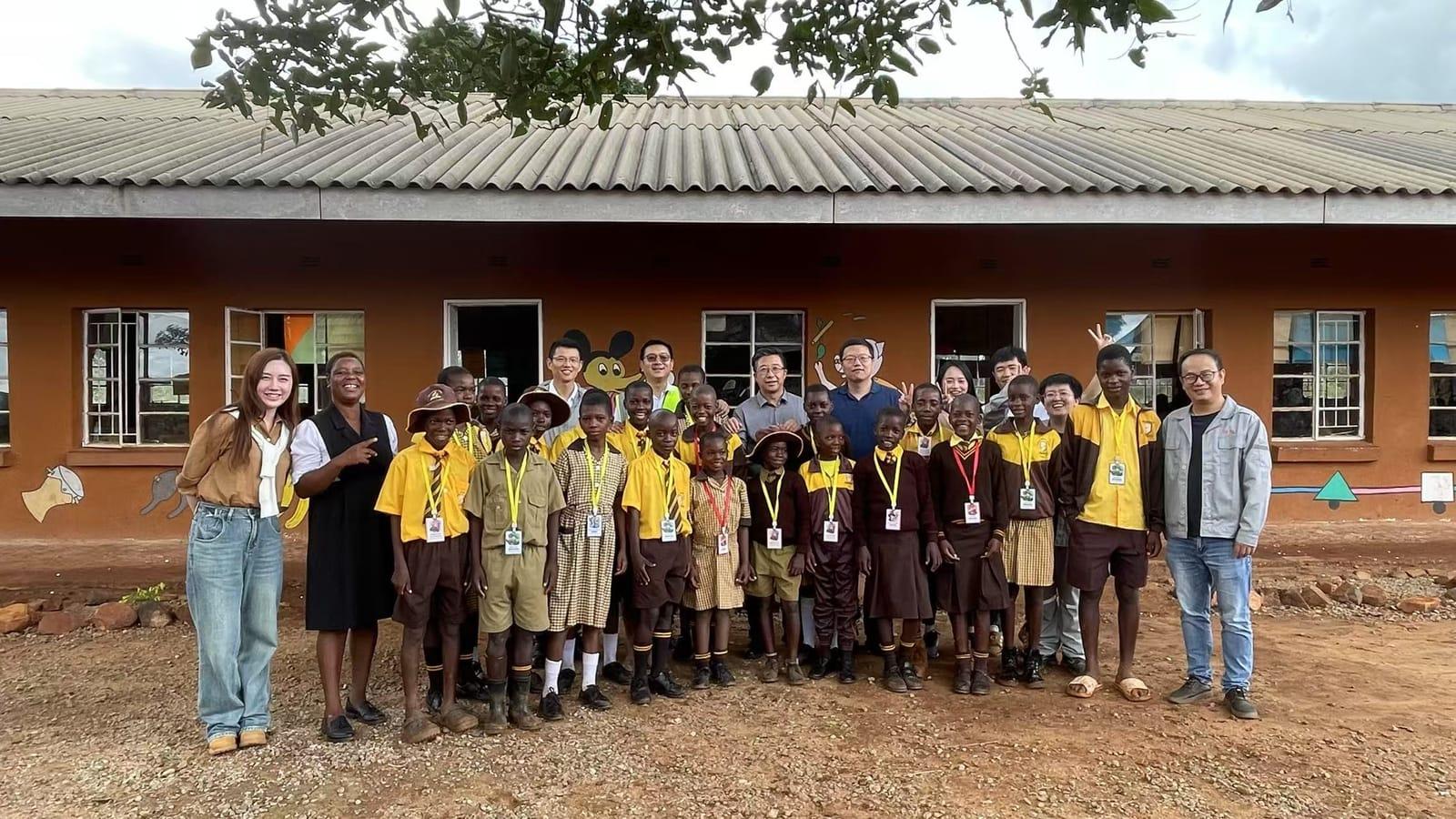
🚀 The Application: After following the standard steps of game design, each team uses 30 minutes to complete a dramatic adaptation of their game()()()(). This adaptation involves identifying characters, designing visual identities, transforming key decision points into dramatic conflict moments, and choosing background music()()()(). After rehearsal rounds with stage direction from the GM, the teams deliver an 8-minute group performance in front of the whole school().
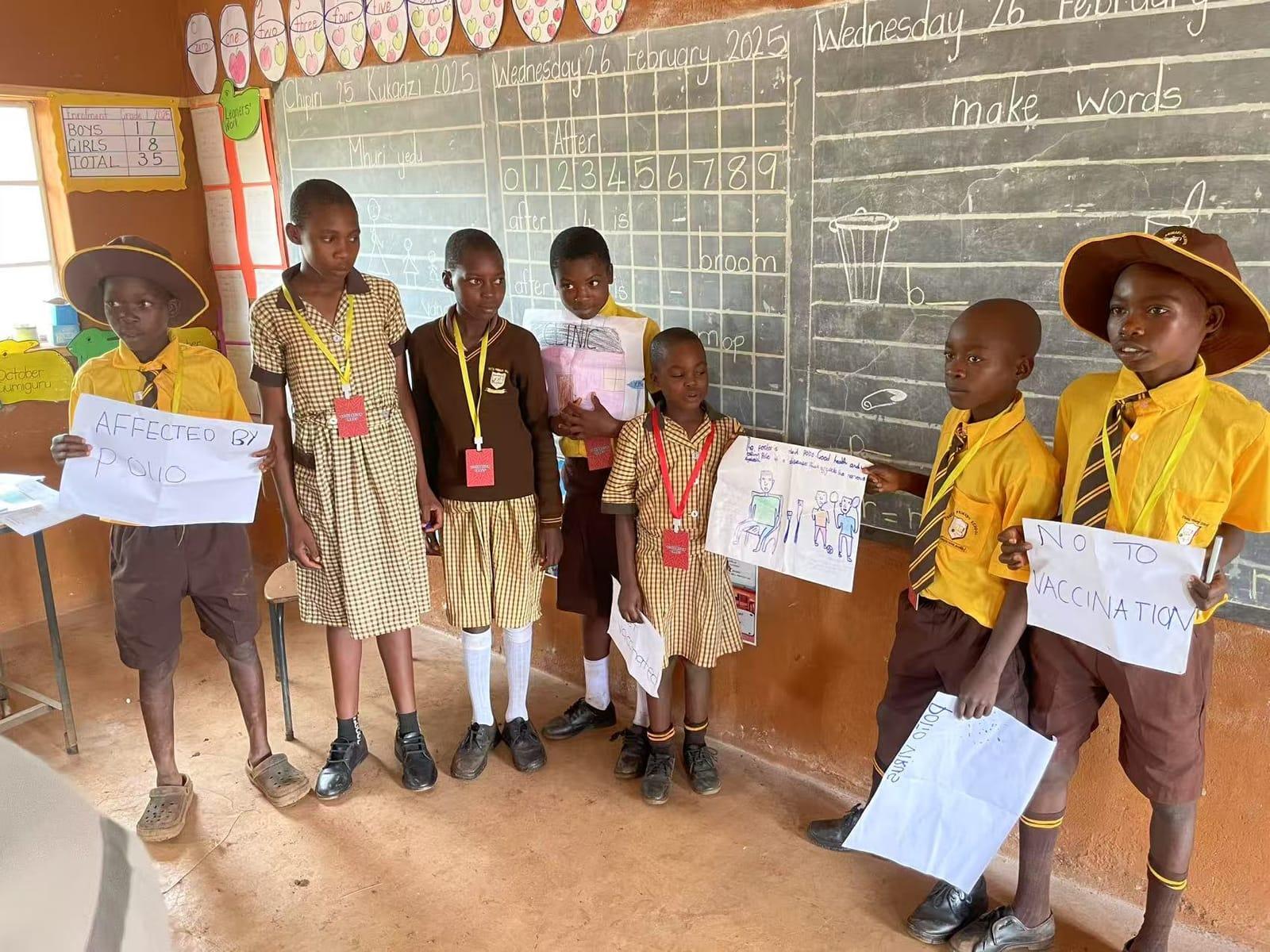
✨ Key Innovation: This approach provides multi-modal expression that accommodates auditory, visual, and kinesthetic learning styles. It deepens understanding by moving from simply explaining game rules to actively performing the moral dilemmas present within the game. It fosters community engagement and creates lasting memories, as the combination of drama, music, and physical action roots the experience far deeper than verbal explanation alone.