🏷️ Quick Facts:
- Location: Nigeria (2025)
- Facilitators: 2-3 GMs (ideally with craft or art background)
- Participants: ~50 Students (divided into 8-10 small teams)
- Duration: 5 Days
💡 The Challenge: Rather than wait for supplies, how can a workshop turn constraints into the greatest creative catalysts by using garbage, waste, old newspapers, and scrap cloth as game design materials?
🎯 Objectives:
- Teach children how to innovate with available resources, positioning it as both a survival and creative skill.
- Transform environmental challenges into teaching advantages by reflecting on consumption, creativity, and sustainability.
- Prove that game design is a universal ability independent of resource levels().
⚙️ Core Mechanics Used:
- Material Conversion: Creating a waste-to-game-component mapping chart, for example, turning a bottle cap into a game piece.
- Constraint Sparks Creativity: Forcing children to use different visual languages, such as texture and shape, to differentiate cards when colored pencils are unavailable.
- Workshop-Style Making: Ensuring each child participates in the full flow of collecting garbage, washing, cutting, decorating, and assembling.
- Materialized Storytelling: Using the source story of every piece of waste to increase students' practical understanding of recycling.
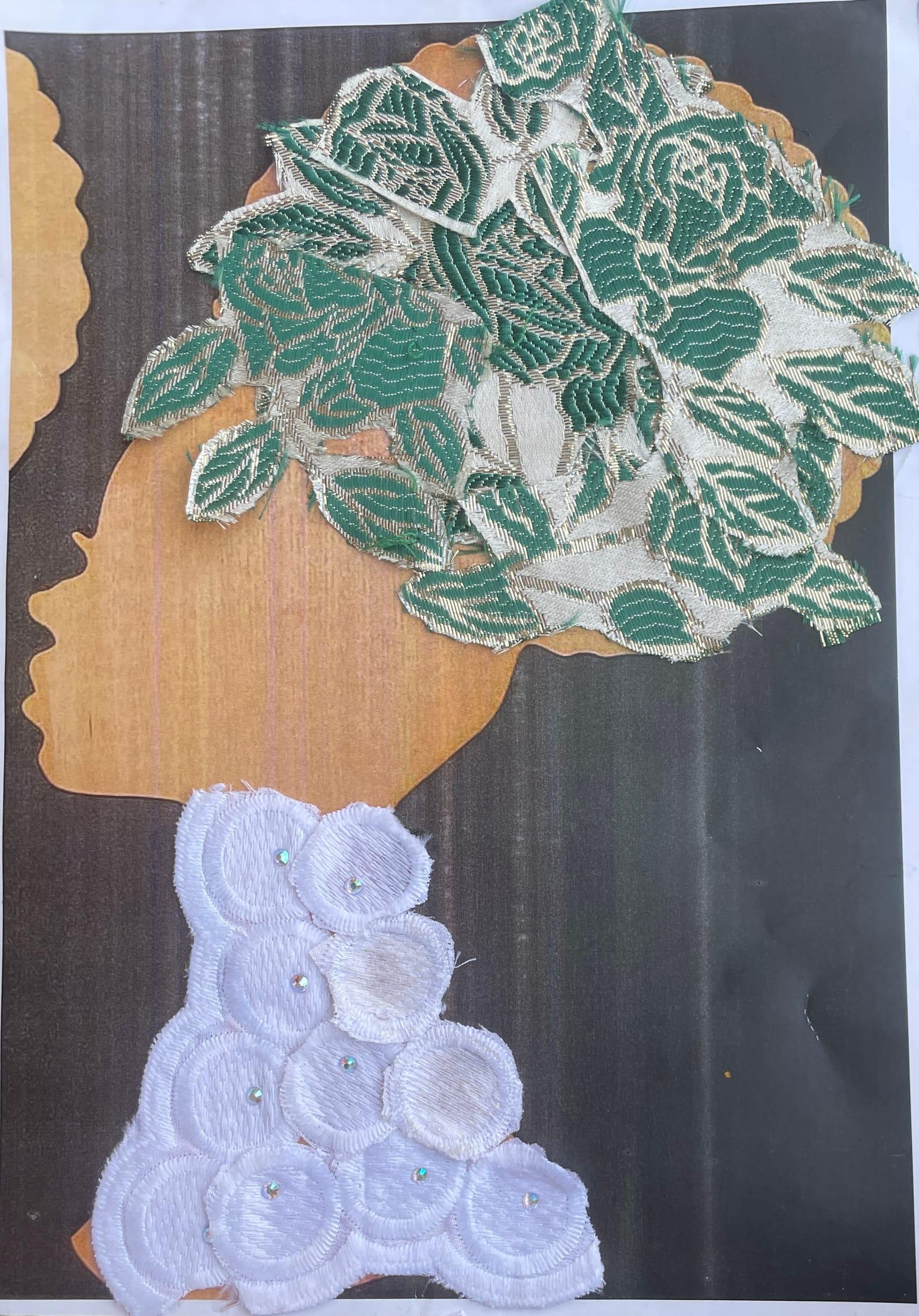
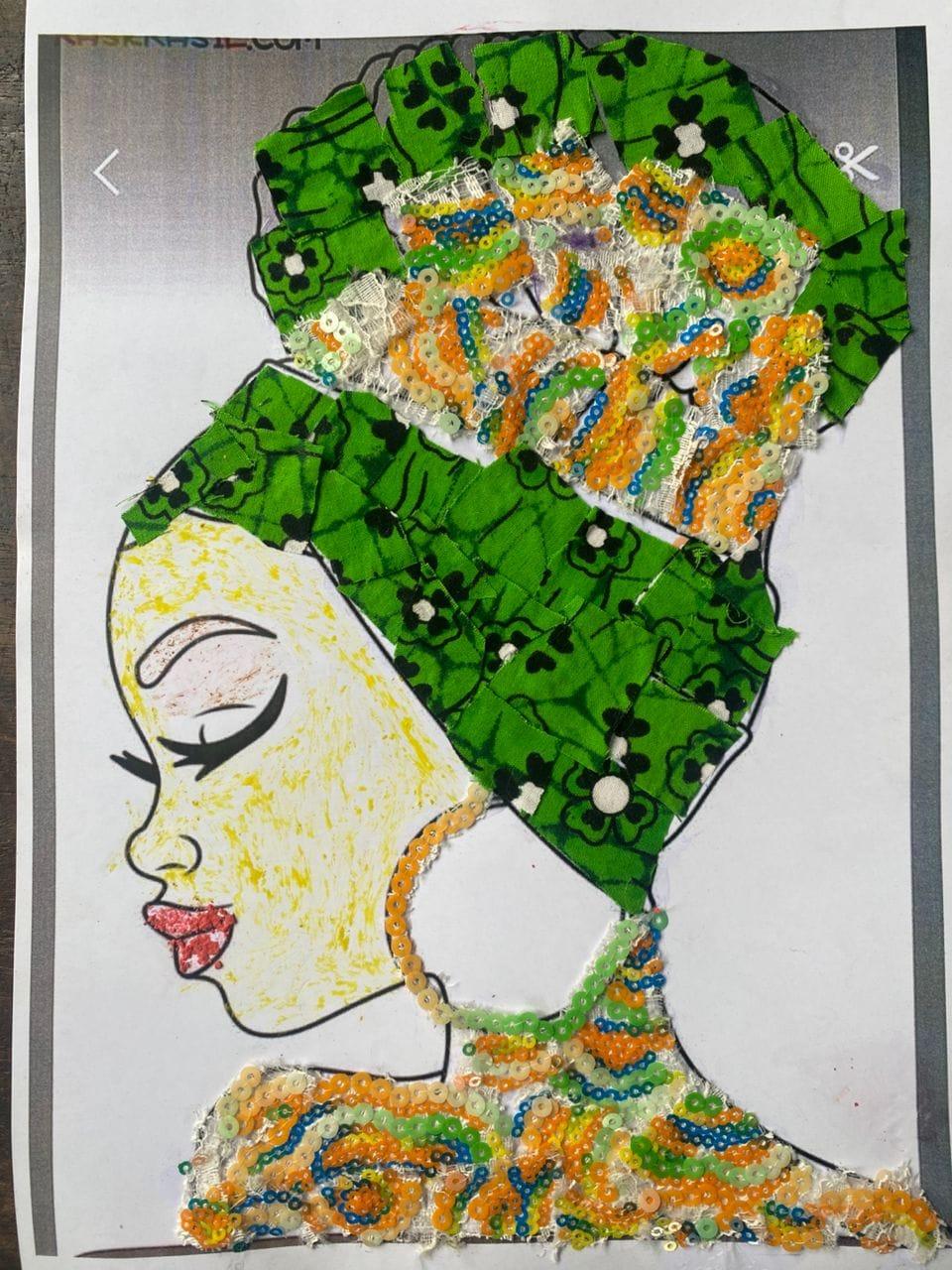
🚀 The Application: The workshop begins with the entire class collecting garbage throughout the community, cleaning it with water, and sorting the materials. During the game concept phase, the GM guides students to pair these waste materials with game components. After making the components and play-testing them, each team presents their "garbage game" for feedback and partakes in a deep reflection segment to discuss what they learned about sustainable development.
✨ Key Innovation: This case study turns resource scarcity into a teaching resource, demonstrating that lack isn't an obstacle but rather the spark for creativity. It incorporates full sensory participation across every stage of learning, ensuring that children deeply internalize SDG 13 Climate Action by physically transforming waste. Ultimately, it is a highly scalable model for under-resourced communities, requiring zero investment while achieving high global education impact.