🏷️ Quick Facts:
- Location: China(2025)
- Incubation Period: Around 4 months
- Original Workshop: 120-minute SDG Hero co-creation workshop
- Co-creators: 63 children as junior game designers
- Development Partners: Boke Foundation, medical experts, game developers, and social innovation partners
- Target Users: Pediatric leukemia patients and their families
💡 The Challenge: How can children help design a real digital health solution for other children facing leukemia treatment, turning complex dietary guidance into something young patients can understand, remember, and follow?
🎯 Objectives:
- Transform clinical dietary management into an engaging serious video game.
- Help pediatric leukemia patients better understand food hygiene, low-fat diets, and low-residue diets during treatment.
- Reduce family stress by turning difficult “food battles” into playful learning moments.
- Create a scalable model for child-centered health education and pediatric chronic disease support.
⚙️ Core Mechanics Used:
- Children-for-Children Co-creation: The original idea came from a 120-minute SDG Hero workshop, where children designed a game prototype to support young leukemia patients.
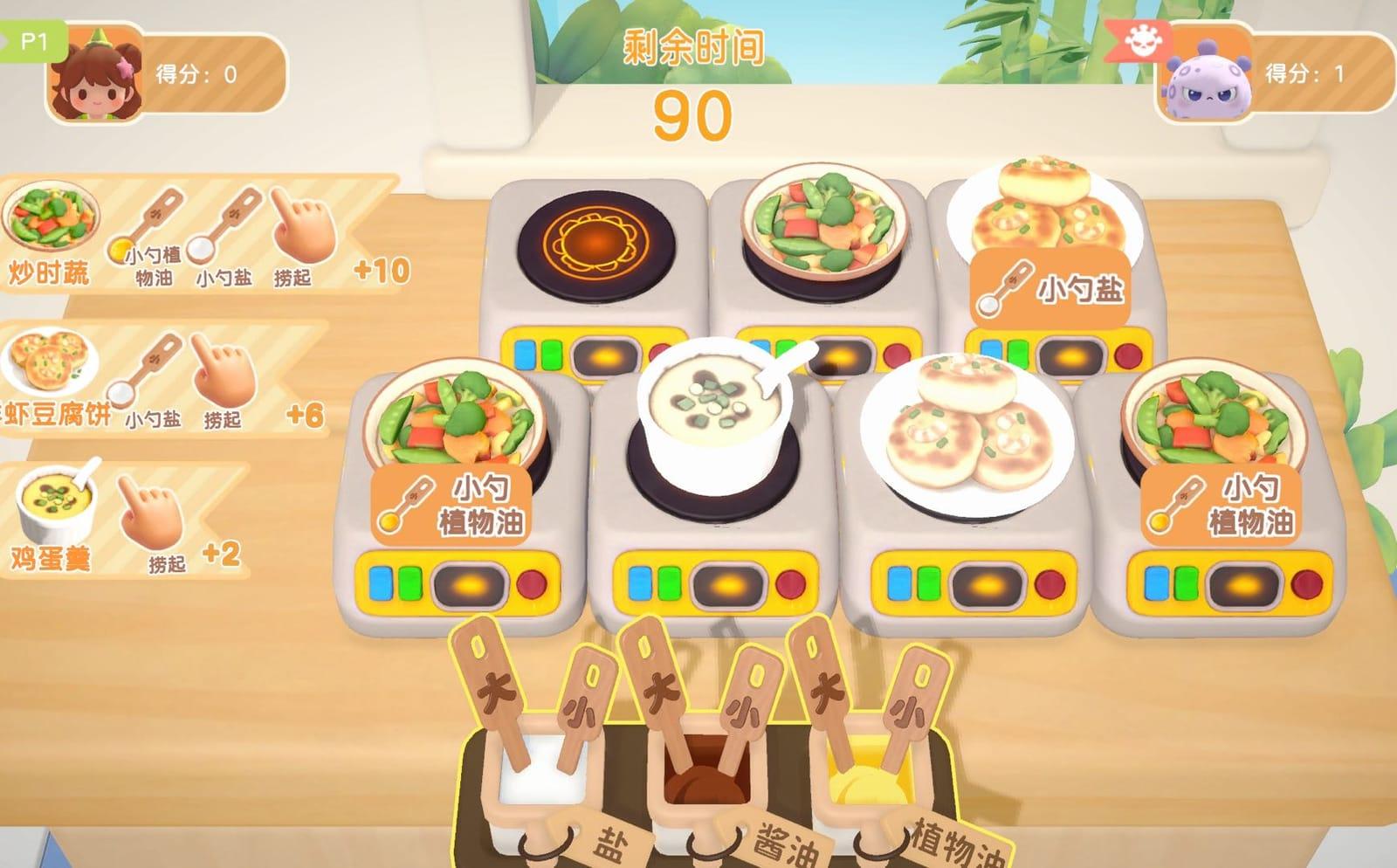
- Medical-Game Translation: Clinical dietary rules were transformed into missions, quiz battles, food-sorting challenges, and themed game islands.
- Behavioral Design: The game uses motivation, ability, and prompts to encourage repeated healthy choices.
- Short-Session Gameplay: Each session is designed to be completed in 5–10 minutes, respecting the energy levels of children undergoing treatment.
- Gamified Incentives: Players collect coins, unlock outfits, and defeat the “Leuk-Monster” by making correct health decisions.
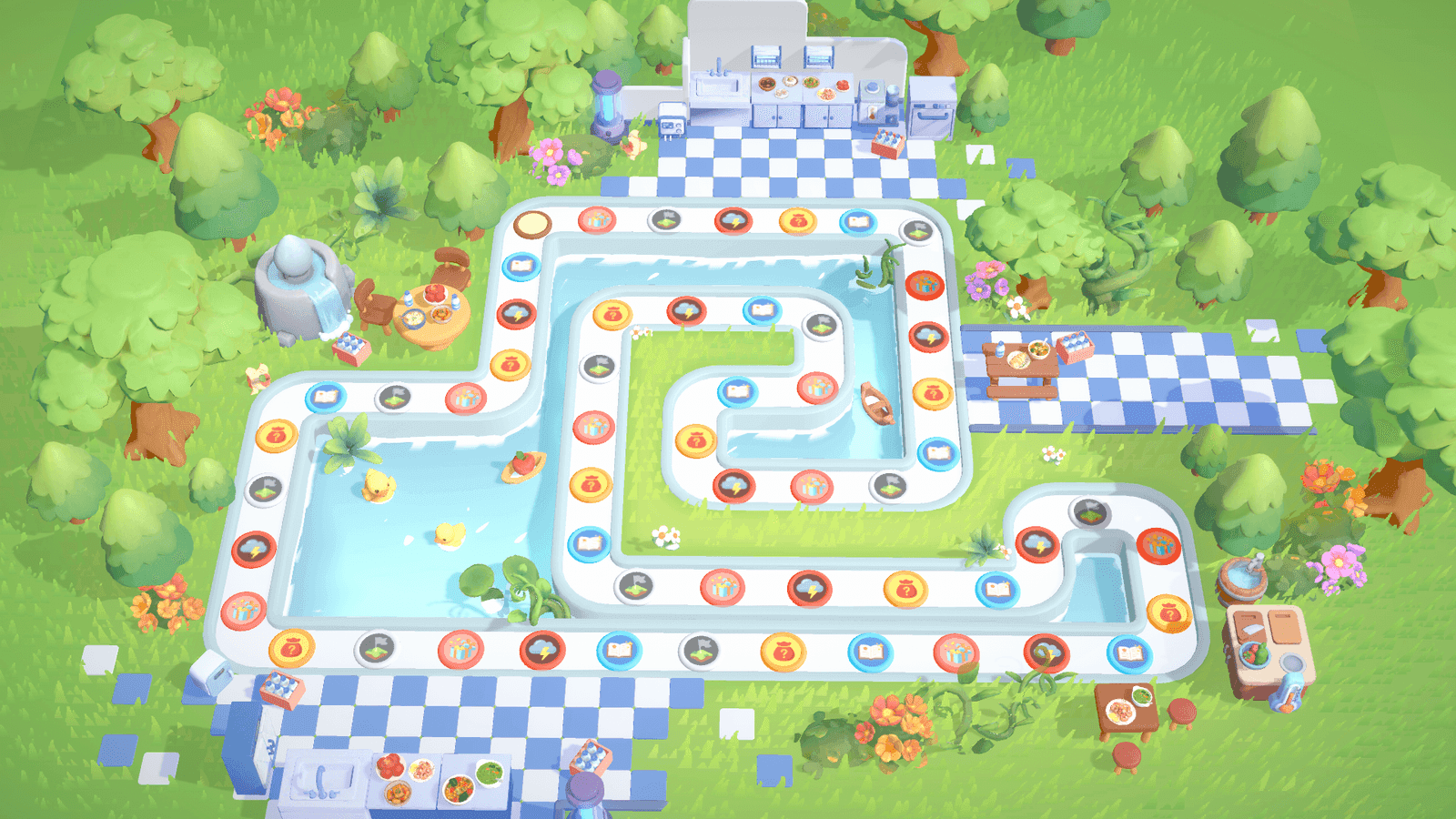
🚀 The Application: After the workshop, the children’s prototype was incubated over around four months with support from Boke Foundation, clinical experts, game developers, and social innovation partners. The final product became Defeat the Leuk-Monster, a serious video game that helps children learn dietary management during leukemia treatment through an interactive game world.
Players explore themed islands such as Healthy Habit Island, Low-fat Island, and Low-residue Island. Through missions and challenges, they learn how to choose safer foods, understand hygiene requirements, and follow dietary guidance in a more engaging way.
✨ Key Innovation: This case shows how a short children’s co-creation workshop can become the starting point for a medically validated digital health solution. Instead of designing for children from an adult perspective, the project allowed children’s creativity to shape the emotional language, characters, and gameplay of the final product. Defeat the Leuk-Monster bridges hospital-based guidance and home-based recovery, helping young patients move from passive recipients of medical instructions to active participants in their own care. Its modular design can be adapted to other pediatric chronic diseases and localized for different languages and regions.